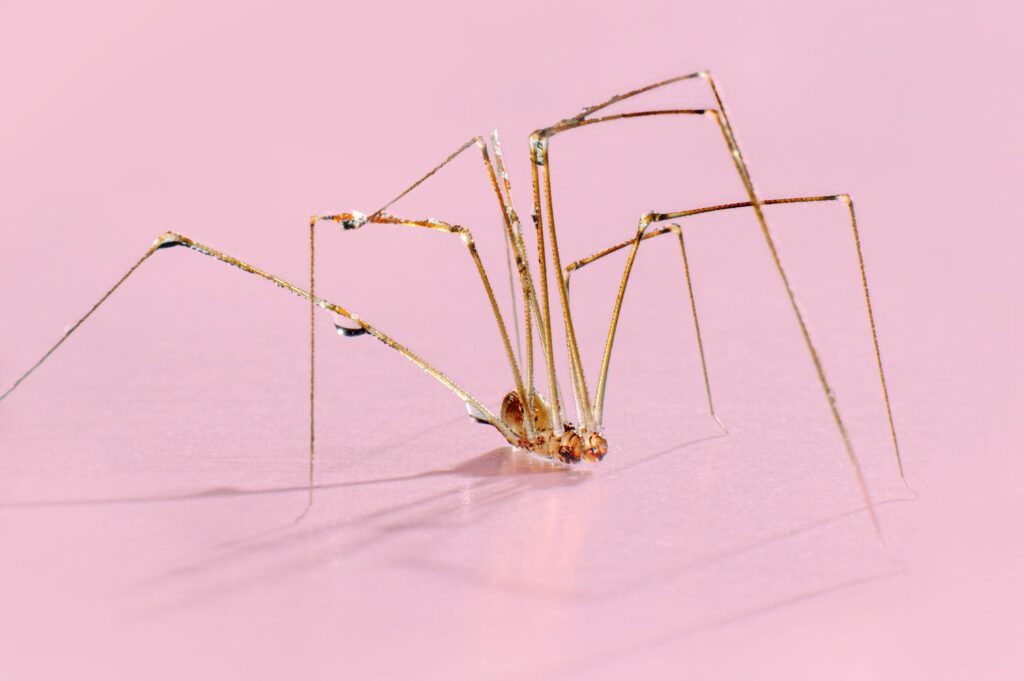

Spiders show up in bedrooms, storage rooms, basement spaces, garages, and in dark corners that do not get much foot traffic. They can establish themselves inside homes if they have constant access to food sources. You can take steps to reduce spider populations if you know what draws them inside. Pest control experts at unitedpestsolutions.com can educate you about common spider attractants and measures to prevent infestations. Below are reasons spiders may infiltrate your home:
There Is a Constant Supply of Insects Indoors
Spiders hunt for food. They enter because insects are present indoors and give them reliable food. They set up web patterns where insects move through. They hide along baseboards where ants trail. Also, they may settle near windows where there is constant activity of flying insects.
Moisture Levels Indoors Are High
Spiders thrive in damp indoor conditions. Basements, bathrooms, laundry rooms, crawlspaces, and lower wall sections can stay humid. Insect activity also increases when moisture level is high.
Sometimes homeowners do not feel the changes in humidity levels right away. Spiders can use rooms below grade, storage areas without ventilation, or utility rooms with slight pipe leaks as breeding zones. Thus, moisture control must be a major part of long-term spider management.
Clutter Creates Hidden Zones
Clutter provides shelter, cover, shadow, and nesting opportunity for spiders. Spiders only need a stable space that does not get disturbed often. This includes old boxes, stored seasonal items, stacks of newspapers, and crowded shelf zones. A home with clutter in many different rooms providers spiders with more options. Removing clutter and organizing storage zones helps force spiders out of their comfort pattern. Also, this lowers the number of places where they can safely settle.
Outdoor Conditions Are Driving Spiders Inside
Seasons changes, weather changes, and insect movement patterns vary all year. Spiders follow when outdoor insects move to new zones. They look for dependable sources of food indoors once the outdoor food supply becomes unpredictable. Spiders can slip through tiny gaps and settle into attics, wall voids, window frames, and basement corners. When outdoor vegetation holds heavy insect pressure, spiders move closer to home siding and then transition indoors slowly.
There Are Entry Points You Have Not Sealed
Spiders enter through physical gaps. Many homes have hidden openings that allow spiders to slip inside. Spiders can take advantage of gaps around window screens, tears in door seal strips, cracks in foundation edges, utility pipe entry spaces, and attic roofline transitions. Spiders that have gained access to indoor spaces will explore inside wall voids, attic storage areas, and tight baseboard cracks. Also, outdoor vegetation close to home siding can work as a bridge for spiders. Overgrown shrubs, tree branches, stacked firewood, and porch clutter give spiders direct access to exterior walls.
What You Can Do Next
Once you have identified why spiders appear inside your home, the next step is to disrupt the conditions that favor them. Address insect problems first. Inspect for ants, pantry pests, fruit flies, and roach activity. Also, focus on moisture control. Keep lower-level rooms dry and well ventilated. Fix leaks and clear blocked gutters. Drain standing water outside.
Tackle clutter in phases. You do not need to empty out every storage area at once. Break the process into zones. Target one room or one storage section at a time. Each cleared section removes another supportive shelter pocket.
In addition, check home exterior gaps and seal any access route. Doors, windows, utility penetrations, vents, soffit edges, and roof transitions often need reinforcement. Repair screens, replace worn sweeps, and apply sealant where needed. You want to reduce factors that make spiders comfortable inside your home.