
Properties in St. Louis with cast-iron radiators have a kind of charm that evokes the city’s architectural moment. And if you get past the vintage sheen, there, lurking, is a perennial issue all tenants are familiar with: vermin. It is these very characteristics of heating systems that make them ideal hiding places for intruders: warm pipes, slightly constricted rooms, and ambient humidity.
Old radiator systems can turn your nice little assay into a proving ground for pests, from silverfish scuttling on bathroom tiles to roaches emerging from under bedroom floorboards. Suppose you have tried everything to keep the place clean, but still have recurring infestations. In that case, you may want to consider contacting a Columbia pest control company that is more experienced with older buildings.
Why Old Radiators in St. Louis Rentals Create Ideal Pest Conditions
With about 44% of rental units dating back before 1970, St. Louis has one of the oldest housing stocks in the Midwest. Many of these homes have steam or hot-water radiators that have settled or moved, creating pest-friendly structural gaps over the years. Radiators are not sealed within walls like modern HVAC systems; you walk past them with exposed pipes running through floors and walls.
As time goes by, this plaster and wood around these entryways deteriorate and break apart. Combine that with the hot, muggy summers St. Louis is known for, along with its frigid winters, and you have year-round conditions for critters seeking shelter, warmth, and moisture.
Gaps Around Radiator Pipes: The Real Pest Highway
Check the locations where the radiator piping runs in your floor or wall. See those gaps? That is a prime breeding ground for pests. Pipe installation in St. Louis during the industrial boom used the most rudimentary means to cut holes and seal them in a slapdash manner.
These openings result from decades of heating and cooling cycles, which cause homes to contract and expand. Roaches can flatten themselves to squeeze into a gap as small as a dime shoelace. To escape, mice need only a space the width of a pencil eraser. These pipe penetrations not only link rooms but also link entire floors, creating vertical highways for pests to travel undetected throughout the building.
Heat + Moisture: A Combination That Draws Multiple Pest Species
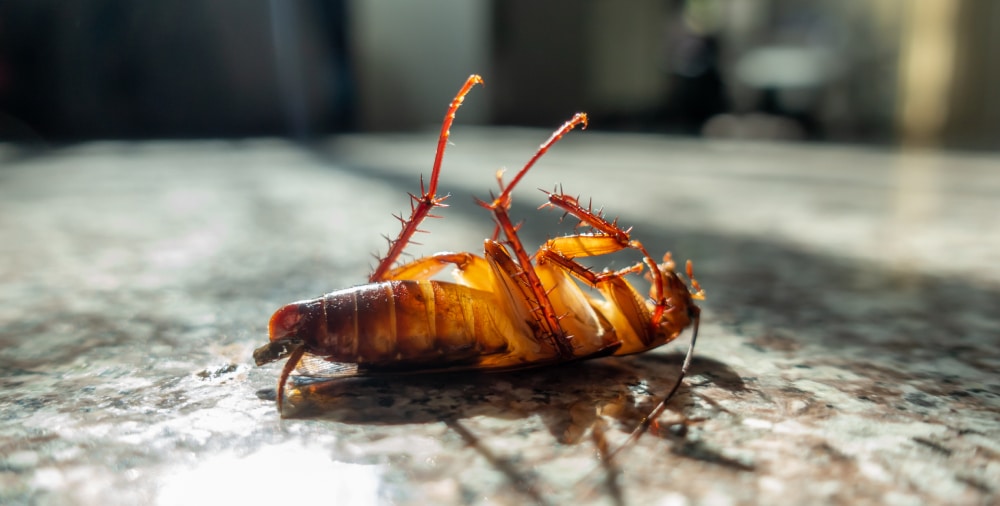
Radiators not only warm your apartment but also create microclimates inhospitable to various pests. Silverfish, lurking in the humid warmth behind the radiator, nibble dust replenished by paper debris that collects in hard-to-reach places. German cockroaches flock to the reliability of warmth, primarily from radiators in kitchens and bathrooms, which are wet from cooking and showering.
House centipedes will be found hunting for other insects in the same warm, moist spaces. In St. Louis winters, when temperatures drop, mice will squeeze through gaps in your radiator pipes to find the warmth your heating system provides. Every pest has its own preferences, but old radiators can tick several boxes on their wish list.
When Radiator Pests Need Landlord or Pest Control Intervention
If you are having pests every day, even after cleaning, or issues in multiple rooms, the issue is linked to structural gaps or existing nests in the walls. Landlords are required by law to ensure that housing is pest-free, including sealing entry points and addressing infestations, said the St. Louis Department of Health. That is where you need professional services. Pointe Pest Control services many St. Louis rental properties and understands the history of pest problems caused by old radiator systems. They can locate entry points around pipe penetrations, treat wall intervals where annoyance passes between apartments, and even work with the landowner on international prevention tactics that address causes rather than shallow symptoms.