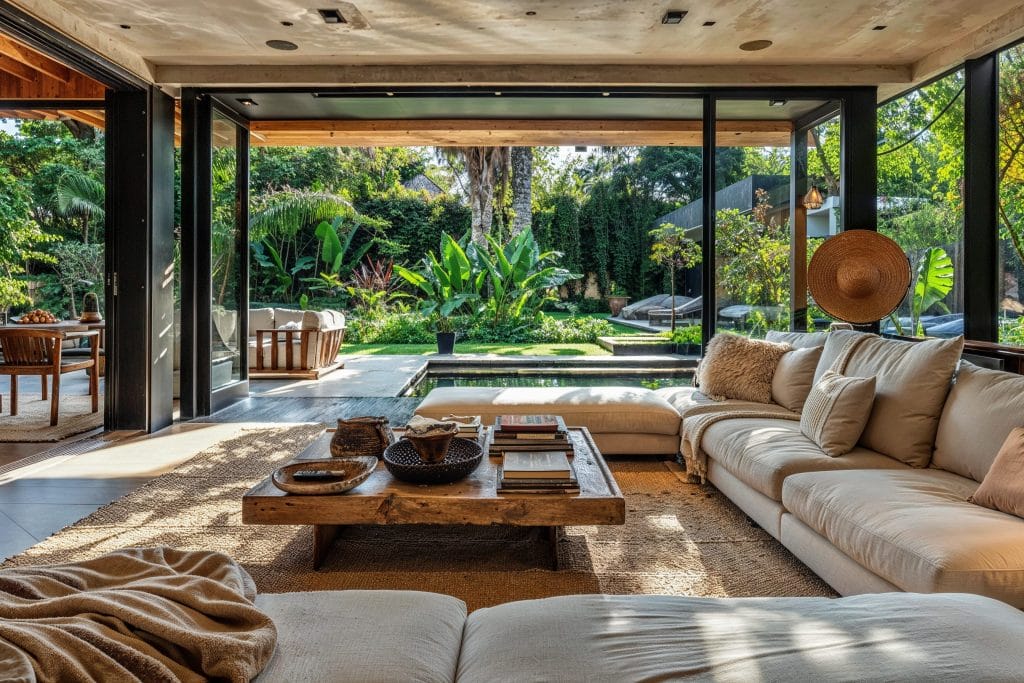

Los Angeles has long been known for its creative energy, diverse architecture, and forward thinking lifestyle choices. In recent years, sustainability has moved from a niche interest to a central design philosophy across the city. Homeowners, developers, and businesses increasingly expect spaces that are beautiful, functional, and environmentally responsible. As a result interior design firms in Los Angeles are redefining how spaces are planned, sourced, and built with sustainability at the core.
This shift goes beyond choosing eco friendly materials. It reflects a broader understanding of how design impacts health, energy use, and long term livability. From luxury homes in the hills to compact urban residences, sustainable home design in Los Angeles is evolving in thoughtful and locally responsive ways.
Understanding Sustainability in Interior Design
Sustainable interior design focuses on creating spaces that reduce environmental impact while supporting human wellbeing. This includes material selection, energy efficiency, indoor air quality, and durability over time. Designers aim to minimize waste, lower energy consumption, and create interiors that age gracefully rather than require frequent renovation.
In Los Angeles sustainability is shaped by regional factors such as climate, water scarcity, and seismic considerations. Designers must balance aesthetic goals with practical solutions that work in a warm climate and an urban environment. This regional awareness is what sets many local design approaches apart.
Climate Responsive Design Choices
Los Angeles enjoys abundant natural light and mild weather for much of the year. Interior designers use these conditions to their advantage. Large windows, open layouts, and reflective surfaces help maximize daylight and reduce reliance on artificial lighting. Thoughtful window treatments and interior shading help manage heat gain while preserving views.
Ventilation is another key consideration. Sustainable interiors often prioritize natural airflow to reduce dependence on mechanical cooling. Layouts are planned to encourage cross ventilation and ceiling heights are designed to improve air circulation. These strategies support comfort while lowering energy use.
Material Selection with a Local Focus
One of the most visible ways interior design firms in Los Angeles approach sustainability is through material choice. Designers increasingly favor materials that are responsibly sourced, durable, and low in environmental impact. This includes natural wood from certified sources, recycled metals, and stone that requires minimal processing.
Local sourcing plays an important role. Using materials from regional suppliers reduces transportation emissions and supports local economies. Designers often seek out artisans and fabricators within California to create custom pieces that reflect the character of home design in Los Angeles while aligning with sustainability goals.
Finishes are chosen with equal care. Low emission paints, sealants, and adhesives help maintain healthy indoor air quality. Natural finishes such as clay plaster or lime based coatings are gaining popularity for their breathable properties and subtle texture.
Designing for Longevity and Flexibility
Sustainable design is not only about what goes into a space but also how long it lasts. Los Angeles designers emphasize timeless layouts and adaptable spaces that can evolve with changing needs. Rather than following short lived trends, they focus on proportions, balance, and materials that remain relevant over time.
Furniture selection reflects this mindset. Pieces are chosen for quality and repairability rather than disposability. Built in elements are designed with flexibility in mind so that spaces can be reconfigured without major demolition. This approach reduces waste and extends the life of the interior.
Water Conscious Interior Planning
Water conservation is a critical issue in Southern California. Interior designers contribute by specifying water efficient fixtures and appliances that reduce consumption without compromising performance. Kitchens and bathrooms are key areas where thoughtful design can make a meaningful difference.
Beyond fixtures designers consider how interior layouts influence water use. Efficient kitchen workflows reduce unnecessary water waste while smart bathroom layouts encourage mindful habits. Some projects integrate greywater systems or prepare spaces for future upgrades as regulations and technologies evolve.
Energy Efficiency Inside the Home
While much attention is given to exterior energy solutions interior design also plays a significant role in energy efficiency. Lighting design is a prime example. Designers carefully layer ambient task and accent lighting to ensure spaces are well lit without excess energy use.
Control systems allow occupants to adjust lighting levels based on time of day and activity. Thoughtful placement of outlets and controls supports efficient appliance use. Even furniture layout can influence how effectively a space retains or disperses heat.
In home design in Los Angeles energy efficiency is often integrated subtly so that the space feels effortless rather than technical. The goal is to make sustainable choices intuitive and comfortable for everyday living.
Indoor Health and Wellbeing
Sustainability is closely tied to human health. Interior design firms in Los Angeles increasingly prioritize materials and layouts that support physical and mental wellbeing. This includes reducing exposure to toxins, improving acoustics, and creating a strong connection to nature.
Biophilic design principles are commonly applied. Natural textures, plant life, and organic forms help bring the outdoors inside. Views of greenery and access to outdoor spaces are emphasized whenever possible. These elements contribute to reduced stress and improved quality of life.
Acoustic comfort is another important factor. Thoughtful use of soft materials, rugs, and wall treatments helps manage sound in open plan spaces. A calm acoustic environment supports concentration and relaxation which is especially valuable in urban settings.
Sustainable Design in Urban and Multifamily Spaces
Los Angeles is a city of diverse living situations. Sustainable interior design extends beyond single family homes to apartments, mixed use buildings, and commercial spaces. Designers must work within tighter footprints and shared systems while still delivering environmentally responsible results.
In multifamily projects durability becomes even more important. Materials must withstand heavy use while maintaining their appearance. Designers often choose finishes that are easy to maintain and repair rather than replace. Storage solutions and efficient layouts help residents live comfortably in smaller spaces.
Community focused amenities such as shared lounges or work areas are designed to reduce the need for redundant resources within individual units. This collective approach aligns sustainability with social connection.
Client Education and Collaboration
A key part of sustainable design is helping clients understand the impact of their choices. Interior design firms in Los Angeles often take on an educational role guiding clients through options and explaining long term benefits. This collaborative process leads to more informed decisions and greater satisfaction with the final result.
Designers balance sustainability goals with budget and lifestyle considerations. Not every project requires cutting edge solutions. Sometimes, simple changes such as better lighting planning or more durable materials can have a significant impact. By tailoring strategies to each project designers make sustainability accessible rather than overwhelming.
The Future of Sustainable Interior Design in Los Angeles
As awareness grows, sustainable design continues to evolve. New materials, technologies, and regulations are shaping how interiors are conceived and built. Los Angeles remains at the forefront of this movement driven by a culture that values innovation and responsibility.
Interior design firms in Los Angeles are increasingly integrating sustainability from the earliest planning stages rather than treating it as an add on. This holistic approach ensures that environmental considerations inform every design decision.
Home design in Los Angeles will likely continue to reflect a blend of creativity and consciousness. Spaces will be crafted to support both personal expression and collective wellbeing. In a city known for reinvention sustainable interior design represents a thoughtful step toward a more resilient future.
By embracing climate responsive strategies, responsible materials, and human centered design Los Angeles interiors are proving that sustainability and style can coexist beautifully.