
Property maintenance in Virginia involves more than structural repairs and landscaping. One critical yet often overlooked aspect is pest prevention. Unchecked pest activity can damage buildings, contaminate spaces, and increase long-term repair costs for property owners.
Professional guidance and preventive planning help reduce these risks effectively. Property managers and homeowners in Virginia often rely on resources such as prestopestcontrol.com to understand how consistent pest prevention strategies can protect buildings, tenants, and property value throughout the year.
Why Pest Prevention Matters in Property Maintenance
Virginia’s climate, with warm summers and moderate winters, creates favorable conditions for many pests, including termites, rodents, and ants. Without proper maintenance practices, these pests can easily find entry points and nesting areas within properties.
Ignoring early signs of pest activity can lead to structural damage, health concerns, and costly remediation. For property managers, routine pest prevention is therefore an essential part of responsible maintenance planning.
Incorporating pest management into regular property upkeep ensures buildings remain safe, compliant, and attractive for occupants.
Common Pest Risks for Properties in Virginia
Different pests target different areas of a property. Understanding these risks helps maintenance teams implement targeted prevention strategies.
Typical pest concerns include:
- Termites: Known for silently damaging wooden structures, particularly in older Virginia buildings.
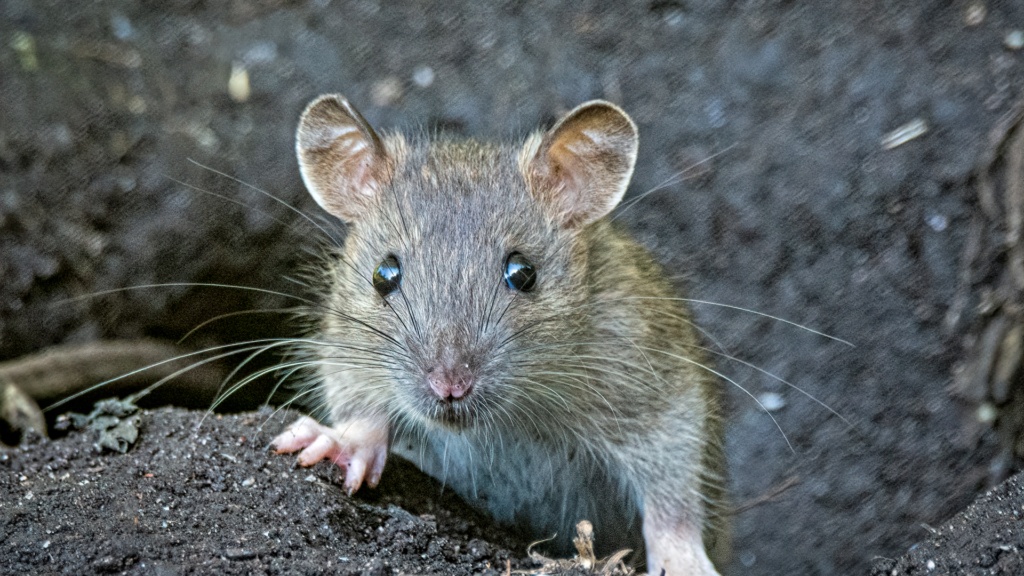
- Rodents: Mice and rats often enter through small gaps and can damage wiring, insulation, and stored materials.
- Carpenter ants: These insects weaken wood by tunneling through structural components.
- Cockroaches: Often found in kitchens, storage rooms, and damp utility spaces.
- Seasonal insects: Spiders, mosquitoes, and flies become more active during Virginia’s warmer months.
Structural Maintenance That Prevents Pest Activity
A well-maintained structure naturally discourages pests from settling in. Property maintenance teams should focus on eliminating entry points and conditions that attract pests.
Key maintenance practices include:
- Seal cracks and gaps around windows, doors, and foundations to prevent pest entry.
- Repair damaged roofing and siding that may create access points for insects and rodents.
- Install door sweeps and weather stripping to close small openings near entryways.
- Maintain proper drainage systems to prevent water accumulation near foundations.
- Ensure ventilation in crawl spaces and attics to reduce moisture that attracts pests.
Landscaping and Outdoor Pest Prevention
Exterior property conditions play a major role in pest activity. Poor landscaping practices can attract insects and rodents close to buildings.
Effective outdoor maintenance strategies include:
- Trimming vegetation away from structures to eliminate pest bridges into buildings.
- Removing wood debris and fallen branches that may attract termites and ants.
- Keeping garbage storage areas sealed and clean to deter rodents.
- Maintaining gutters and downspouts to prevent standing water.
- Using proper outdoor lighting placement to avoid attracting flying insects near entrances.
Routine Inspections and Preventive Monitoring
Preventive inspections are one of the most effective pest management strategies for properties in Virginia. Scheduled inspections allow maintenance teams to identify warning signs before infestations escalate.
During inspections, professionals typically check:
- Foundation cracks and structural vulnerabilities
- Signs of termite tubes or wood damage
- Rodent droppings or gnaw marks
- Moisture buildup in basements or crawl spaces
- Pest activity in storage or utility areas
Integrating Pest Control With Property Management
Property maintenance programs are most effective when pest prevention is integrated into regular operations. Rather than reacting to infestations, proactive property managers prioritize prevention as part of routine upkeep.
This integrated approach may include scheduled pest control services, staff training to identify pest signs, and documentation of maintenance practices. In Virginia’s diverse property landscape, from residential complexes to commercial buildings, consistent pest prevention ensures long-term property stability and tenant satisfaction.
Final Thought
Pest prevention is an essential component of effective property maintenance in Virginia. By combining structural upkeep, landscape management, and regular inspections, property owners can minimize infestation risks and protect building integrity. A proactive maintenance strategy not only preserves property value but also ensures safer, healthier environments for occupants throughout the year.