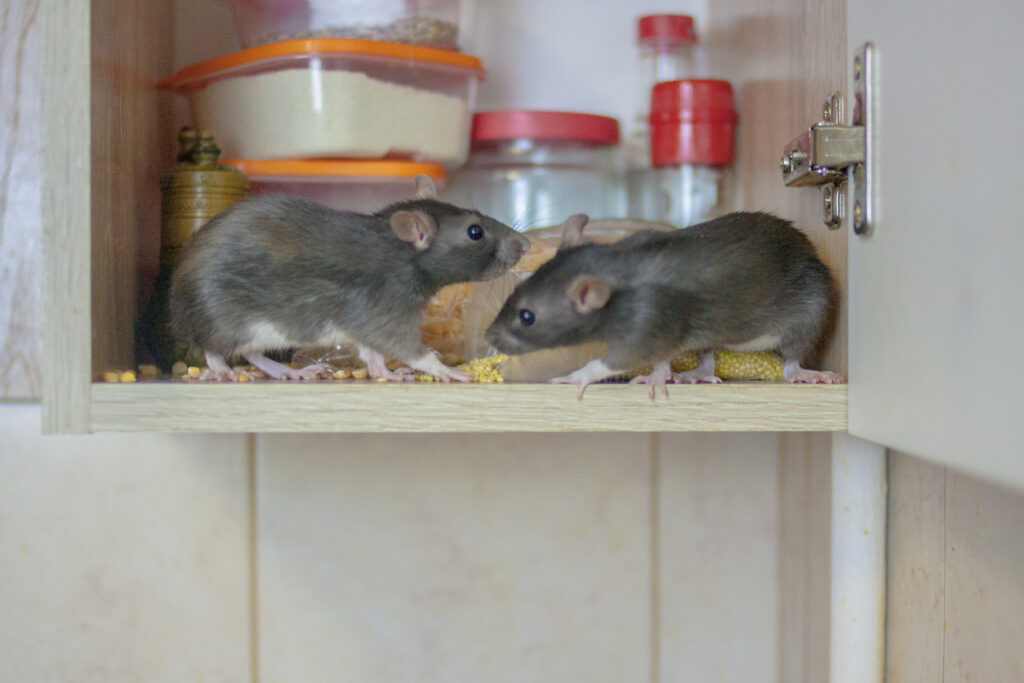

Rodents are more than a nuisance; they are a serious public health concern. In many residential and commercial areas of Bothell, rats and mice can carry harmful pathogens that contaminate food, surfaces, and indoor air. Their ability to spread quickly makes them difficult to control once an infestation begins.
For property owners seeking professional guidance in Bothell, resources such as unitedpestsolutions.com provide information about rodent risks and prevention strategies. Understanding how rodents transmit disease is an important step in protecting households, workplaces, and communities from potential health hazards.
Why Rodents Are a Health Threat in Bothell
Rodents thrive in environments where food, water, and shelter are easily available. Urban and suburban neighborhoods in Bothell provide ideal conditions for rats and mice to multiply rapidly.
These pests can:
- Carry bacteria, viruses, and parasites
- Contaminate food and water supplies
- Spread pathogens through urine, droppings, and saliva
- Introduce fleas, mites, and ticks into homes
Common Rodent-Borne Diseases
Several diseases associated with rodents have been documented worldwide. While not every rodent carries disease, the risk increases significantly when infestations occur.
Some of the most notable diseases include:
Hantavirus
- Spread through contact with rodent urine, droppings, or saliva
- Often transmitted when contaminated dust becomes airborne
- Can cause severe respiratory illness
Salmonellosis
- Caused by Salmonella bacteria
- Spread when rodents contaminate food or food preparation surfaces
- Leads to symptoms such as diarrhea, fever, and abdominal cramps
Leptospirosis
- Spread through contact with water or soil contaminated by rodent urine
- Can infect humans through cuts or mucous membranes
- May cause fever, headaches, and muscle pain
Rat-Bite Fever
- Transmitted through rodent bites or scratches
- Sometimes spread through contaminated food or water
- Can result in fever, rash, and joint pain
How Rodents Spread Contamination
Rodents rarely stay in one place. Their constant movement increases the chance of disease transmission across multiple areas.
Common contamination pathways include:
Food Contamination
Rodents frequently chew through food packaging in kitchens, pantries, and storage rooms. Their droppings and urine can contaminate large amounts of food.
Surface Contamination
As rodents travel along countertops, cabinets, and shelves, they leave behind pathogens carried on their fur, feet, and tails.
Airborne Transmission
When dried droppings or urine are disturbed, tiny particles can become airborne and inhaled, potentially spreading harmful microorganisms.
Parasite Transmission
Rodents often carry fleas, ticks, and mites. These parasites can bite humans and spread additional diseases.
Signs of Rodent Activity in Bothell Homes
Early detection plays an important role in preventing disease exposure. Property owners should watch for common indicators of rodent presence.
Typical signs include:
- Small, dark droppings in cupboards or along walls
- Gnaw marks on food containers, wires, or furniture
- Scratching sounds in walls or ceilings at night
- Grease marks along baseboards and entry points
- Nests made from shredded paper or insulation
Prevention Strategies for Rodent Control
Preventing rodents from entering buildings is the most effective way to reduce disease risk.
Property owners in Bothell can take several practical steps:
Seal Entry Points
- Close gaps around doors, windows, and foundations
- Repair damaged vents and screens
- Seal cracks larger than a quarter inch
Improve Sanitation
- Store food in sealed containers
- Clean spills and crumbs immediately
- Dispose of garbage regularly in secure bins
Reduce Outdoor Attractants
- Keep yard areas free of clutter
- Trim vegetation away from structures
- Store firewood away from building walls
Regular Inspections
Routine inspections of attics, basements, and crawl spaces can help detect rodent activity before it becomes a major problem.
Professional Pest Control in Bothell
Professional pest control services in Bothell use targeted strategies that may include:
- Thorough property inspections
- Identification of entry points and nesting areas
- Safe trapping and removal methods
- Long-term prevention recommendations
Takeaway
Rodents are not just household pests, they are potential carriers of serious diseases. In Bothell, proactive prevention, sanitation, and professional pest management play a critical role in protecting homes and businesses. By understanding the risks and addressing infestations quickly, communities can significantly reduce the dangers associated with rodent-borne disease transmission.