
Deciding how to manage the infrastructure of a business building is a significant task that owners and facility managers face. When plumbing components fail, the choice often comes down to whether a business should rely on an internal maintenance team for basic tasks or bring in professional commercial plumbing contractors for more complex needs. This decision involves balancing immediate budgetary constraints against long-term operational health and the prevention of disruptive facility downtime.
Evaluating the Scope of Professional Plumbing Expertise
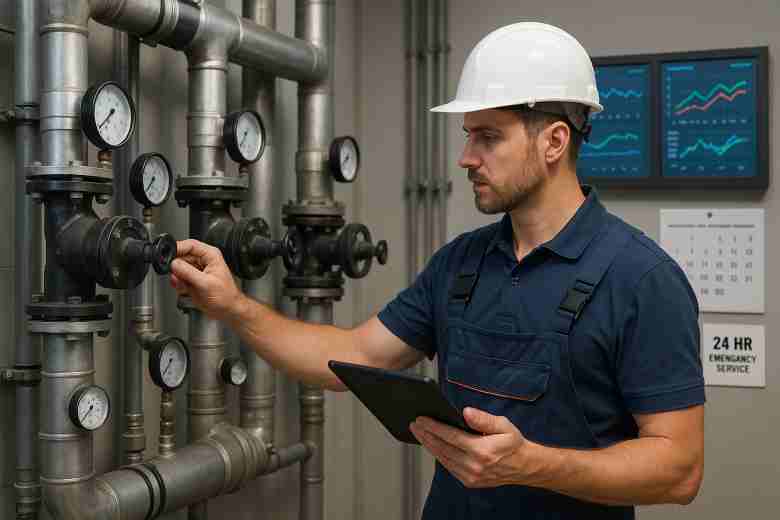
The systems that keep a commercial facility functioning—ranging from high-capacity water heaters and complex drainage networks to intricate filtration systems and backflow prevention devices—are typically much more involved than residential systems. Because of the scale and the rigorous usage patterns common in commercial environments, professional commercial plumbing services in Denver often require a different set of diagnostic tools and specialized training.
When a facility manager weighs the options, they are often looking at the trade-off between superficial repairs and deep-system interventions. Professional contractors typically bring specialized equipment for tasks like electronic leak detection, high-pressure jetting to clear blockages, and full-scale system inspections that internal staff may not be equipped to perform. Relying on professional expertise allows for a proactive approach, where technicians identify signs of wear before a catastrophic failure occurs, which is a common priority for property managers aiming to maintain continuous operations.
Factors Influencing Maintenance and Repair Strategies
Several variables typically influence how a business approaches its plumbing needs. One primary factor is the age and design of the facility. Older buildings often feature legacy piping systems that require specific knowledge regarding materials and compatibility with modern upgrades. Similarly, the nature of the business dictates the intensity of the plumbing usage. A restaurant, for instance, faces different mechanical stresses than a multi-unit office building.
Another consideration involves regulatory compliance and oversight. Businesses have an interest in ensuring that their systems meet local standards, which helps maintain the safety of the environment for both employees and patrons. When engaging commercial plumbing contractors, managers often seek providers who can document their work and offer guidance on system updates that might improve efficiency. Choosing to partner with a service provider often stems from a desire to transfer the risk of complex repairs to a party that specializes in those specific mechanical challenges.
Aligning Plumbing Decisions with Long-Term Facility Goals
Aligning plumbing maintenance with broader facility goals is a thoughtful way to approach the management of a property. For many, the goal is not just fixing an immediate leak but extending the functional life of the equipment. A structured maintenance agreement with a provider of commercial plumbing services in Denver can help a business transition from a reactive posture—where maintenance happens only during an emergency—to a preventive posture.
This shift involves several logical steps:
- Establishing a baseline assessment of the current state of pipes, valves, and fixtures.
- Prioritizing upgrades based on risk factors, such as the age of the equipment or the critical nature of a specific drain line to daily business operations.
- Integrating routine inspections into the facility’s calendar to reduce the likelihood of unexpected interruptions.
By framing the relationship as a long-term partnership, facility managers can gain access to reliable documentation and a deeper understanding of their building’s specific plumbing patterns, which facilitates better planning and budgeting for the future.
Making an Informed Choice for Your Facility
The search for the right professional partner is a personal process for every business. The most effective approach is to focus on finding a provider who demonstrates clear communication and a methodical process for problem-solving. When interviewing potential contractors, ask about their experience with similar facility types, their approach to diagnostic assessments, and how they prioritize maintenance tasks.
A reliable partner should be able to explain the “why” behind their recommendations. If a contractor suggests a specific type of repair or a preventative maintenance schedule, they should be able to tie that suggestion back to how it will benefit the facility’s overall reliability. It is also helpful to ask how they handle emergency situations and what documentation they can provide following a service call, as this information is essential for keeping accurate facility records.
Empowering yourself to make an informed choice involves looking past the immediate cost of a service call and considering the value of predictable, professional maintenance. By seeking out partners who view their role as supporting the long-term viability of your commercial property, you can create a more resilient environment and ensure that your plumbing infrastructure serves your business well for years to come.